
Alcoholic Eyes: Symptoms, Outlook, and Treatment
-
MD Ubaidullah
- Posted on
- 0 comments
Sure, we know that drinking affects our vision and can cause blurred or double vision, especially at night. This is sometimes known as “beer goggles.” After all, impaired vision and a slowed reaction time are why drinking and driving are often a fatal combination. Beyond this, though, drinking alcohol can have both short-term and long-term effects on the eyes.

What role does hydration play in preventing brain fog and blurry vision?
It is also essential to avoid excessive caffeine and alcohol consumption, as these can contribute to dehydration. Heavy drinking drains your body’s natural reserves – which may result in optic neuritis. This condition inflames the optic nerve, leading to loss of central vision and blurry vision. While drunk vision it may not be entirely possible to completely prevent blurry vision from a hangover, there are certain steps you can take to minimize its occurrence. Staying hydrated by drinking plenty of water before, during, and after consuming alcohol can help maintain proper moisture levels in your eyes and reduce the severity of blurry vision.
Low blood sugar
- It affects the brain by causing bleeding near the thalamus and hypothalamus.
- Alcohol also impacts the visual cortex in the brain, affecting depth perception and clarity in dim lighting.
- Eyelid twitching is another indicator of (excessive) alcohol consumption.
- Additionally, lack of sleep can also affect memory function, making it harder to remember and recall information.
No content on this site, regardless of date, should ever be used as a substitute for direct medical advice from your doctor or other qualified clinician. If https://ecosoberhouse.com/ you notice vision changes after starting a medication, talk to your doctor. Finding the right kind of cocaine addiction treatment for veterans can feel like finding a needle in a haystack. While there are plenty of traditional cocaine rehabs in Florida, it can be hard to find treatment centers that fit your needs. Recent estimates suggest that 595,000 veterans misuse opioids of some form, with the vast majority struggling with prescription painkillers.
Heavy drinking can lead to permanent vision loss
You may start to notice clearer eyes, less redness, and better focus just days or weeks after you stop drinking. Maybe you’ve caught yourself in the mirror after drinking, or someone’s made a comment about your eyes. Quite often, drunk eyes reveal a person who’s emotionally and mentally drained.
- This constant mental chatter can overwhelm our cognitive processes, making it difficult to focus and think clearly.
- Comprehensive addiction treatment provides the medical oversight, emotional support, and therapeutic guidance needed to navigate the complexities of recovery safely.
- In this article, we will explore the role that hydration plays in preventing these symptoms and provide tips on how to stay hydrated.
What Causes Headache Behind the Eyes?
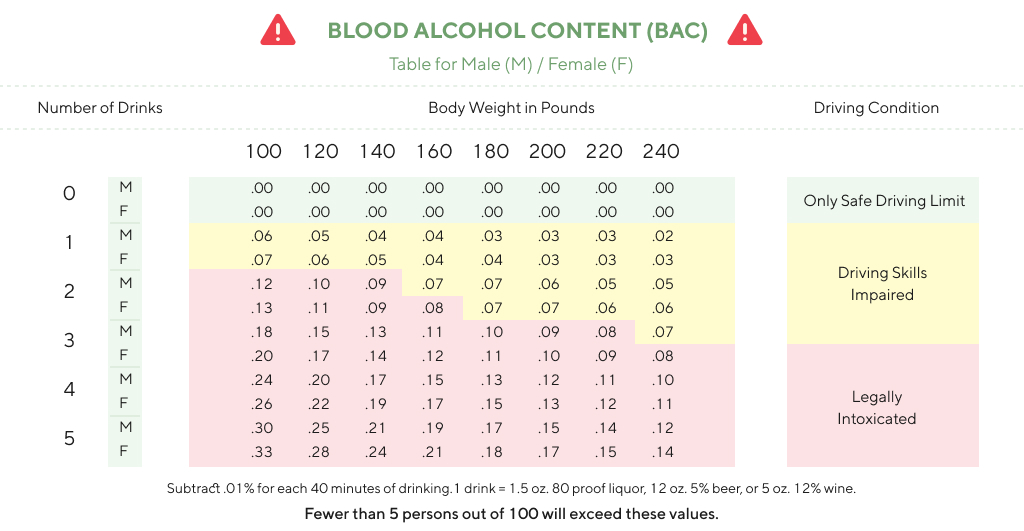
Below, we look into the symptoms of alcoholic eyes and, most importantly, what to do if your eyes are being harmed by alcohol use. The answer is yes, dehydration can have an impact on your eyes and vision. When your body is dehydrated, it can cause your eyes to become dry and irritated. This can lead to symptoms such as blurred vision, sensitivity to light, and difficulty focusing. The step-by-step process of how drinking more water can improve blurry vision caused by dehydration is relatively straightforward.
The Short and Long-Term Impact of Alcohol on Eyesight
This can result in temporary vision impairment, difficulty focusing, and potential discomfort. This underlines why tasks that rely on good visual acuity, such as driving, should never be undertaken after consuming alcohol. Alcohol, as a diuretic, can cause dehydration leading to dry eyes, which may contribute to redness. Therefore, if you notice persistent redness in your eyes after drinking, it might be time to reconsider your alcohol consumption.
Are there any long-term effects on vision from excessive alcohol consumption?
While 20% of people surveyed by Drink Aware said that they didn’t drink at all, 57% of respondents had had at least one drink in the week leading up to being interviewed. People’s drinking habits can vary significantly, from binge-drinking once a week on a Saturday night out, to having a glass of wine in the evenings after a long day in the office. Remember that an addiction to alcohol goes Substance abuse further than just physical harm. In addition to these physical signs of alcoholism, be sure to watch out for the other symptoms that come with addiction.
Find a professional to answer your question
It poses a significant risk, especially for older adults, impacting essential daily activities and overall quality of life. When you consume alcohol, it affects the central nervous system, including the brain and the optic nerves responsible for transmitting visual signals. Alcohol can slow down the transmission of these signals, resulting in blurry or distorted vision. It can cause blood vessels in the eyes to dilate, leading to redness and irritation. Additionally, alcohol can cause the muscles that control the eyes to weaken, making it more difficult for the eyes to focus properly.
